
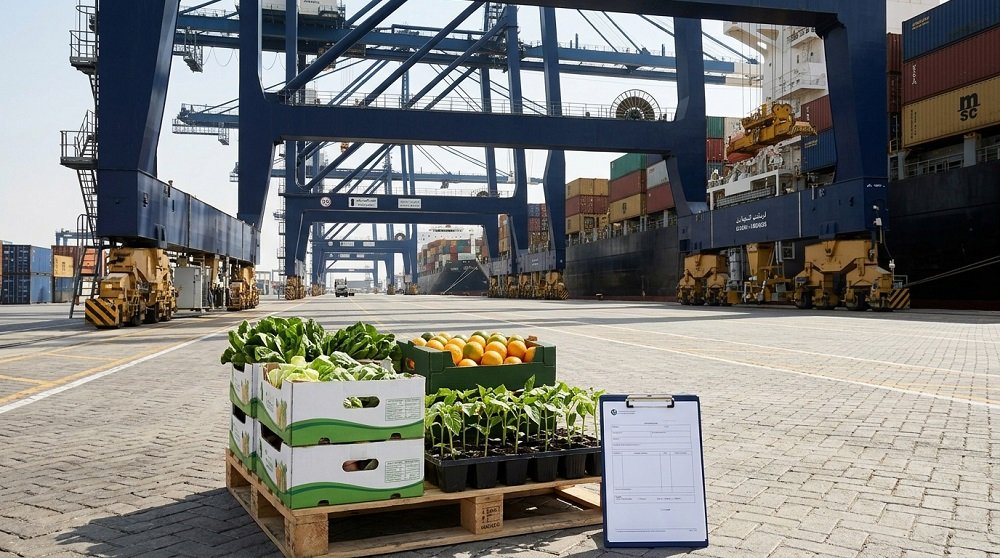
Exporting agricultural products from the UAE involves more than arranging transportation and confirming a departure date. Depending on the type of goods and the destination country, exporters may need documents demonstrating compliance with applicable agricultural and plant health requirements.
One such document is the Phytosanitary Certificate, which is sometimes described more generally as an agricultural certificate when discussing the export of plants and plant products.
These terms are not interchangeable in every context. A phytosanitary certificate specifically relates to plant health requirements, while agricultural certificates can refer to different documents depending on the purpose and product involved.
Understanding the distinction before shipping helps businesses identify the relevant documentation, plan their transport arrangements, and reduce the risk of delays caused by incomplete paperwork or destination-country requirements.
What Is an Agricultural Certificate or Phytosanitary Certificate?
In the context of exporting plants and plant products, an agricultural certificate may refer to a phytosanitary certificate issued by the relevant government authority.
The document is used to demonstrate that a consignment meets applicable plant health requirements for export or re-export. In the UAE, the Ministry of Climate Change and Environment provides a service for issuing phytosanitary certificates for plants and plant products, subject to the relevant procedures and requirements.
Not every agricultural product necessarily requires the same certificate. Requirements depend on the product classification, its intended use, and the regulations of the importing country.
Exporters should therefore confirm the applicable requirements before booking transportation or dispatching their goods.
Which Agricultural Products May Require a Phytosanitary Certificate?
The requirements vary according to the product and destination. Goods that may be subject to plant health controls include:
- Live plants and seedlings.
- Trees and planting materials.
- Seeds and certain grains.
- Fresh fruit and vegetables.
- Cut flowers and selected plant products.
- Other plant-origin materials subject to agricultural quarantine requirements.
The commercial name of a product alone may not be enough to determine which documents are required. Its actual classification, condition, intended use, and destination can all affect the applicable requirements.
Providing accurate product details early helps exporters identify the relevant documentation and transport arrangements.
What Documents May Be Needed for Agricultural Exports?
The documentation required for an agricultural shipment depends on the product, the export process, and the importing country’s regulations.
Depending on the circumstances, exporters may need to prepare:
- Commercial invoice.
- Packing list.
- Certificate of origin, where applicable.
- Exporter and importer details.
- Product descriptions and quantities.
- Phytosanitary certificate, when required.
- Additional permits or supporting documents requested by the relevant authorities.
The documents required for a phytosanitary certificate should be checked against the official service requirements. Businesses should not assume that every shipment requires an identical set of documents.
Consistency is also important. Product descriptions, quantities, origin details, and the parties named in the documents should be accurate and aligned wherever applicable. Discrepancies may lead to additional checks and affect the shipment schedule.
How Should You Prepare Agricultural Goods for Export?
Good preparation starts before the cargo is collected. The following steps can help businesses organise their shipments more effectively.
1. Identify the Product Accurately
Prepare a clear description of the goods, including their quantity, weight, dimensions, and country of origin. These details help determine the transport arrangements and documentation that may be needed.
2. Check Destination-Country Requirements
The importing country may impose plant health, agricultural quarantine, or import permit requirements. These should be checked before the shipment leaves the UAE.
3. Prepare the Required Documents
Arrange the applicable certificates, invoices, packing lists, and other supporting documents in advance. Review the information carefully to ensure that it is accurate and consistent.
4. Choose a Suitable Shipping Method
The choice between air, sea, and land freight depends on the cargo type, volume, destination, shelf life, and required delivery date.
5. Coordinate Transport and Customs Clearance
Plan the shipment’s collection, transportation, documentation, and delivery requirements together. Some products may also need suitable packaging or temperature-controlled transport.
Is Air Freight Suitable for Agricultural Products?
Air freight can be suitable for agricultural goods that are sensitive to transit time, including certain fresh products, flowers, and other time-critical consignments.
However, a shorter transit time does not remove the need for appropriate handling and documentation. Exporters should consider packaging, temperature requirements where applicable, collection schedules, arrival arrangements, and destination customs procedures.
The aim is to choose a transport solution that suits the product while meeting the relevant export and import requirements.
When Is Sea Freight a Suitable Option?
Sea freight may be appropriate for larger commercial shipments and agricultural products that can withstand longer transit times.
Depending on the cargo, a shipment may require refrigerated containers or other arrangements to maintain suitable conditions throughout transportation. These needs should be identified before booking so that the transport method, expected transit time, and overall cost can be assessed together.
Land freight may also be suitable for selected regional routes, depending on the destination, border procedures, and the nature of the goods.
How Abdelrahman Barakat Supports Agricultural Shipping
Exporting agricultural products involves several connected activities, including transport planning, document coordination, customs clearance, and final delivery arrangements.
Abdelrahman Barakat Cargo Services provides air freight, sea freight, land transport, customs clearance, and door-to-door logistics services. These solutions can help businesses coordinate their shipping requirements according to the nature of the cargo and its destination.
When planning an agricultural shipment from the UAE, customers can contact the company with details such as the product type, quantity, weight, destination, and preferred shipping date. This information helps the team discuss suitable transport options and the logistics services required for the shipment.
It is important to distinguish between the roles involved. Phytosanitary certificates and other official approvals must be obtained from the relevant authorities, while the freight provider coordinates transportation, customs clearance, and other logistics services within the agreed scope.
Planning these activities together can help businesses understand their shipping requirements before the goods are dispatched.
Common Mistakes to Avoid When Exporting Agricultural Products
Several issues can complicate agricultural shipments or lead to avoidable delays:
- Failing to check the importing country’s requirements before export.
- Confusing a general agricultural certificate with a phytosanitary certificate.
- Leaving document preparation until shortly before departure.
- Providing inconsistent information across invoices and packing lists.
- Choosing a shipping method that does not suit the product’s shelf life.
- Overlooking packaging or temperature-control requirements.
- Failing to clarify collection, customs clearance, and delivery responsibilities.
Reviewing these points early can help businesses plan more effectively and reduce the likelihood of documentation or transport problems.
How Do You Choose a Shipping Company for Agricultural Cargo?
When choosing a freight provider, businesses should look for a team that understands the cargo’s characteristics and asks relevant questions before recommending a transport solution.
Important details include the product type, weight, dimensions, origin, destination, delivery deadline, and any special handling requirements.
It is also useful to confirm which services are included in the arrangement, such as collection, freight transportation, customs clearance, and final delivery. The exact scope will depend on the services available and the agreement with the provider.
Clear communication at the planning stage helps businesses understand the process and organise the necessary arrangements before shipping.
Plan Your Agricultural Shipment with Abdelrahman Barakat
If you are preparing to export plants or plant products from the UAE, confirming the required documentation and choosing an appropriate shipping method are important first steps.
Contact Abdelrahman Barakat Cargo Services to discuss your shipment and enquire about air freight, sea freight, land transport, customs clearance, and door-to-door logistics services.
Provide the product details, quantity, weight, destination, and expected shipping date to help the team assess the logistics requirements and discuss a suitable solution.
Arrange the required certificates through the relevant authorities, and coordinate transportation and delivery early to keep your export process organised and easier to manage.